Indigenous cow breeds, originating in ancient India, hold immense cultural and practical significance. They are mentioned in the Puranas and Vedas, and their contributions to agriculture and sustainable living are well-documented.
Desi cows produce high-quality milk, known as Amrutha. Their urine, or Gowmutra, is considered a potent medicine (Aushadha), and their dung, or Gowmethi, is a valuable resource for agriculture and is also seen as a symbol of prosperity (Lakshmi).
The combination of these five elements—milk, ghee, curd, Gowmutra, and dung—is known as Panchagavya. Panchagavya can be used to create over 100 products with diverse applications, including spiritual, antiseptic, food, medicinal, and antibacterial uses.
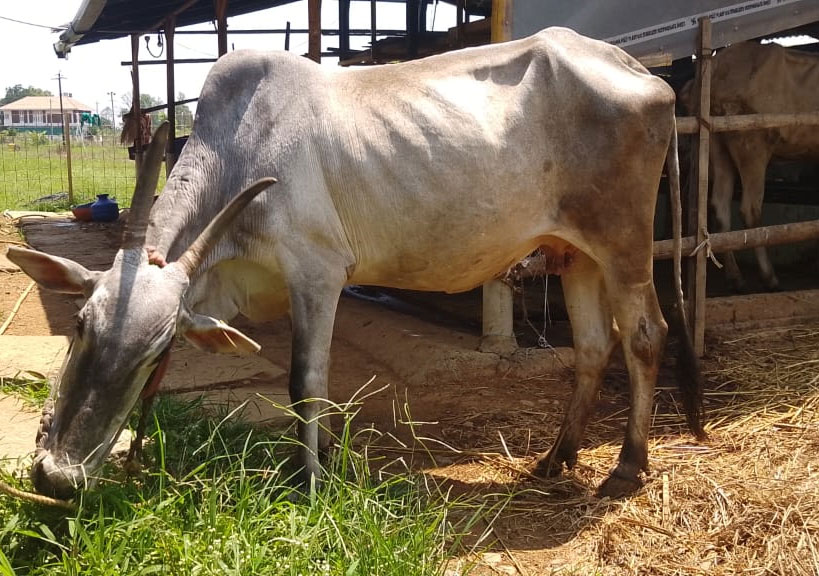
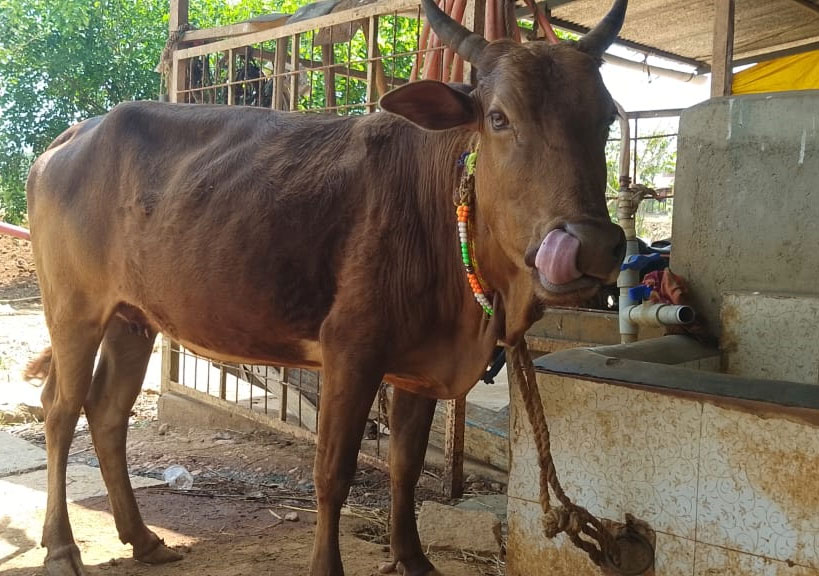

Hatti Gousamsthana Trust is a haven for indigenous cow breeds, nestled amidst the serene landscapes of Malenadu
+91 94486 03222
Copyright © 2025 Hatti Gousamsthana Trust. Powered By WebKraze.
